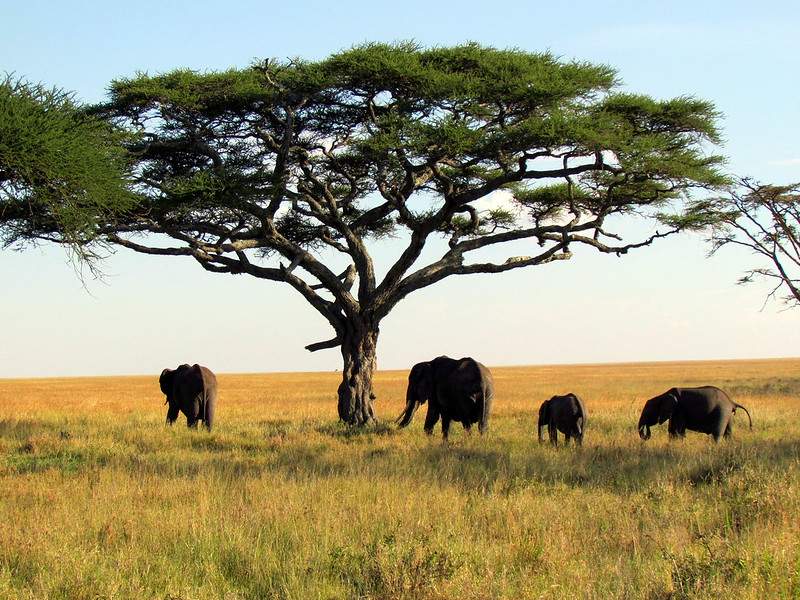
Africa is a top destination due to its unparalleled natural beauty, diverse cultures, and rich history. From the Sahara Desert to the coastal gems of Cape Town, the continent offers travelers a wide range of experiences. Adventure seekers can embark on thrilling wildlife safaris while history enthusiasts explore ancient sites like the pyramids of Egypt. Continue Reading
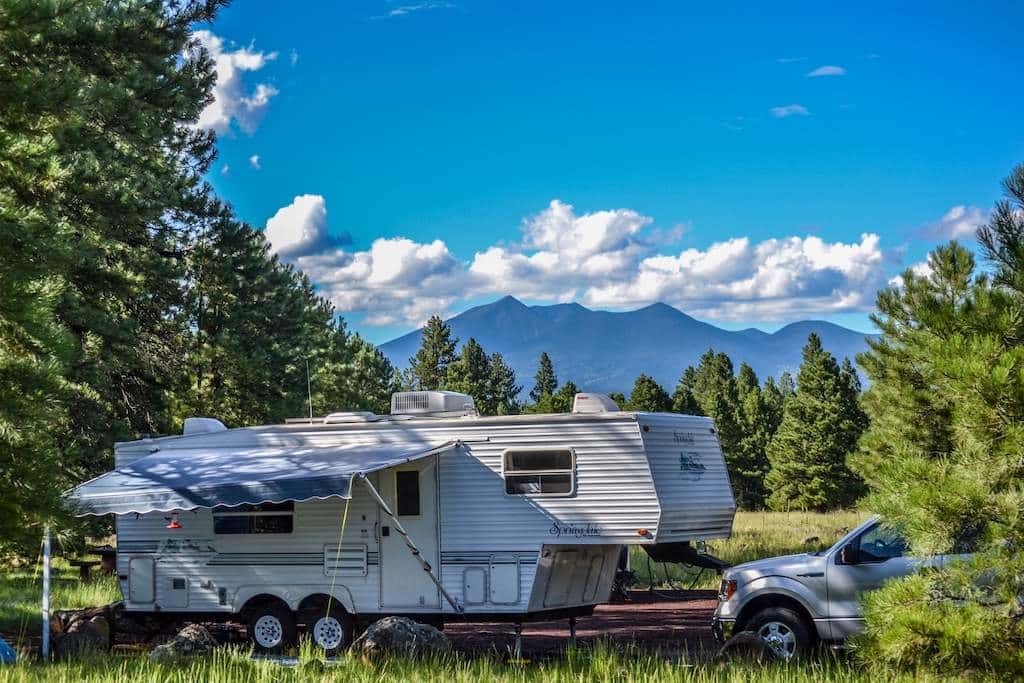
Outdoor camping is a fantastic adventure that is even more fun with an RV. An RV can enhance the outdoor experience for everyone coming along for the trip! If you don’t have one already, then it’s time to start your RV hunt. What exactly should you look for in an RV? If you’re going RV shopping soon, then this buying guide is for you. Continue Reading
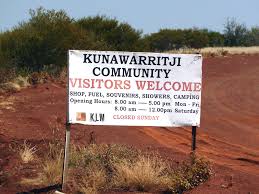
Australia, a land of stunning diversity and vast distances, holds many secrets in its expansive landscapes. From bustling cities to sprawling deserts, the country showcases a range of environments. Among these varied settings, the concept of “isolated towns” emerges, capturing the imagination of adventurers and storytellers alike. These towns, often nestled in remote corners of the country, offer a glimpse into life far removed from the hustle and bustle of urban centers. Kiwirrkurra, a name not widely known outside of Australia, represents one such enigma. Isolated, enigmatic, and intriguing, Kiwirrkurra prompts us to explore what it means to be Australia’s most isolated town. But is it truly the most secluded? Let’s delve into the heart of Australia’s vast wilderness to uncover the truth about Kiwirrkurra.
Unveiling Kiwirrkurra: A Remote Outback Gem
A. Location and Landscape
Kiwirrkurra is nestled in the heart of Australia’s vast wilderness, epitomizing the essence of isolation. This remote community is situated in the Gibson Desert, Western Australia, making it one of the most secluded towns on the continent. Its geographical position is remarkable:
Distance to Major Cities: Kiwirrkurra lies approximately 1,200 kilometers from Alice Springs and around 700 kilometers from Port Hedland. These distances underline its remoteness, with access being primarily through long, challenging dirt roads.
Surrounding Environment: The Gibson Desert’s rugged terrain envelopes Kiwirrkurra, with its red sands, sparse vegetation, and ancient landscapes offering a stark yet breathtaking backdrop. This environment shapes the lives of its residents, intertwining with their culture and daily routines.
Visualizing Kiwirrkurra’s isolation can be challenging without a map. Imagine it as a solitary dot amidst a vast expanse of untouched wilderness, miles away from the nearest city or town, where the desert’s silence is a constant companion.
B. Population and Culture
Kiwirrkurra’s population is small, with residents primarily consisting of Pintupi Aboriginal Australians. This tight-knit community numbers just a few dozen, making it one of the least populated towns in the country. The demographic makeup underscores a deep connection to the land and ancestral traditions.
Cultural Background: The inhabitants of Kiwirrkurra maintain a profound bond with their heritage. The Pintupi people are known for their rich cultural history, which includes intricate art, deep spiritual practices, and a strong sense of community. They have inhabited this region for thousands of years, living in harmony with the harsh, unforgiving landscape.
Unique Cultural Aspects: Kiwirrkurra is renowned for its contribution to Aboriginal art, with many community members being skilled artists. Their work often reflects the stories, traditions, and landscapes that are integral to their identity. Additionally, traditional practices and ceremonies continue to play a significant role in the community, preserving a way of life that has been passed down through generations.
Factors Contributing to Isolation
The isolation of Kiwirrkurra, often regarded as Australia’s most secluded town, isn’t just about geographic remoteness. Several key factors compound its isolation, affecting everything from daily life to how emergencies are handled. Understanding these factors offers insight into the resilience and adaptability of its residents.
A. Accessibility and Transportation
Getting to Kiwirrkurra is no small feat. The journey involves navigating through vast distances, often on unsealed roads that can become impassable in adverse weather conditions. This journey highlights several challenges:
Challenges of Road Travel: The primary route to Kiwirrkurra includes long stretches of unsealed roads, demanding a high level of preparedness and a suitable vehicle. Seasonal weather changes can dramatically affect travel conditions, sometimes isolating the community for weeks.
Lack of Public Transportation: There are no public transportation services to or from Kiwirrkurra, leaving residents to rely on private vehicles for ground transport. For longer distances, chartered flights become necessary, as commercial airlines do not service the area.
Proximity to Airports and Highways: The nearest major airport is in Alice Springs, roughly 1,200 kilometers away, emphasizing the town’s isolation. Access to major highways is similarly remote, with the closest significant road being hundreds of kilometers away.
These transportation challenges not only make Kiwirrkurra hard to reach but also significantly impact the mobility of its residents, especially in terms of accessing services and resources not available locally.
B. Amenities and Services
The isolation of Kiwirrkurra extends into the availability of amenities and services that many take for granted. The town’s residents face unique challenges due to this limited availability:
Limited Local Amenities: Kiwirrkurra lacks many common amenities. There are no supermarkets, hospitals, or conventional schools within the community. This scarcity requires residents to plan meticulously, often traveling long distances to access these services.
Coping with Limitations: Residents have adapted to these challenges through a combination of self-sufficiency and reliance on services provided remotely. Basic healthcare and education, for example, are managed through remote services and occasional visits by specialists. Supplies are often ordered in bulk and delivered from far-off towns.
This self-reliant lifestyle necessitates a strong community spirit and an intricate understanding of the local environment. The residents of Kiwirrkurra have developed a resilient and adaptive community, capable of thriving under conditions that many would find daunting. The limited access to amenities and services, while challenging, has fostered a unique way of life that values community, resilience, and a deep connection to the land.
Life in Kiwirrkurra: Challenges and Rewards
Living in Kiwirrkurra, a town enveloped by the vast expanses of the Australian desert, presents a lifestyle that is as challenging as it is rewarding. Residents navigate a unique set of circumstances that test their resilience daily, while also embracing the profound benefits that come with their remote location.
A. Challenges of Remote Living
Life in Kiwirrkurra is not without its hardships. The town’s extreme remoteness introduces several challenges:
Limited Resources: With the nearest supermarkets and shops hundreds of kilometers away, obtaining everyday necessities requires significant planning and effort. This scarcity extends to water and food supplies, which are critical given the harsh desert environment.
Harsh Desert Environment: The Gibson Desert presents a formidable natural setting. Extreme temperatures, scarce water sources, and unpredictable weather conditions test the survival skills of its inhabitants.
Health Concerns: Proximity to medical facilities is a significant concern. The closest hospitals are in Alice Springs, over a thousand kilometers away, making access to immediate medical care a challenge, especially for chronic conditions or emergencies.
Social Isolation: The small population and isolation can lead to feelings of social isolation. With few opportunities for new social interactions and limited entertainment options, residents must find solace within the community and the natural world around them.
Despite these difficulties, the people of Kiwirrkurra have cultivated a resilient and adaptive community, facing these challenges with a spirit of togetherness and innovation.
B. Rewards of a Remote Lifestyle
Amidst the challenges, Kiwirrkurra offers its inhabitants a range of unique benefits that can only be found in such a secluded environment:
Peace and Tranquility: The isolation of Kiwirrkurra provides peace and tranquility that is rare in today’s fast-paced world. The silence of the desert, the beauty of the starlit sky, and the simplicity of life here offer a profound sense of serenity.
Strong Connection to Nature: Residents enjoy a deep connection to the land. The vast landscapes, rich wildlife, and pristine natural environment offer daily reminders of the beauty and power of nature.
Close-knit Community Bonds: In a small community like Kiwirrkurra, strong bonds form between residents. This close-knit atmosphere fosters a sense of belonging and support, where neighbors are like family.
Self-reliance and Traditional Practices: The lifestyle here encourages self-reliance, with opportunities for traditional hunting and gathering practices. This not only sustains physical needs but also keeps cultural traditions alive, connecting residents to their ancestors and the land.
A Simpler Way of Life: Life in Kiwirrkurra offers a chance to escape the complexities of modern living. The focus on essential needs and community well-being provides a clearer perspective on what truly matters in life.
Conclusion
Throughout this exploration of Kiwirrkurra, we’ve delved into the essence of what makes this town a unique embodiment of isolation. From its geographical challenges and the robust spirit of its community to the profound tranquility and connection to nature, Kiwirrkurra stands as a testament to life at the edge of modernity’s reach. The question of whether it is truly the most isolated town in Australia is one that goes beyond mere physical distances, inviting us to reflect on the nuances of what isolation truly means. Is it the geographical remoteness, the scarcity of amenities, or the depth of cultural preservation that defines the ultimate form of isolation? This question remains open-ended, prompting a personal journey of understanding and appreciation for places like Kiwirrkurra.
FAQ (Frequently Asked Questions)
Is Kiwirrkurra safe to visit (considering remoteness and cultural sensitivity)?
Yes, Kiwirrkurra is safe to visit, provided that visitors are mindful of its remoteness and cultural sensitivities. Prospective travelers should approach the community with respect for its traditions and practices.
What activities can I do in Kiwirrkurra (respectful cultural experiences, nature walks)?
Visitors to Kiwirrkurra can engage in a variety of activities that respect the local culture and environment:
Participate in guided cultural experiences to learn about the Pintupi way of life.
Enjoy nature walks through the stunning desert landscape, observing the unique flora and fauna.
Do I need special permits to visit Kiwirrkurra (respecting Aboriginal land rights)?
Yes, visitors typically need to obtain permits to visit Kiwirrkurra, as it is situated on Aboriginal land. This process respects the land rights and cultural significance of the area to its Indigenous inhabitants.
What is the best time of year to visit Kiwirrkurra (considering weather conditions)?
The best time to visit Kiwirrkurra is during the cooler months of April through September. During this period, the desert temperatures are more moderate, making outdoor activities and exploration more comfortable.
What are the essential things to pack for a trip to Kiwirrkurra (sunscreen, hat, proper clothing for desert climate, basic medical supplies)?
When packing for Kiwirrkurra, consider including:
Sunscreen and a hat to protect against the intense sun.
Clothing suitable for a desert climate, including lightweight, long-sleeved shirts and pants.
Basic medical supplies, given the remoteness and limited access to medical facilities.
Visiting Kiwirrkurra offers a unique opportunity to immerse oneself in a setting defined by its isolation, natural beauty, and cultural richness. It’s a journey that requires preparation, respect, and an open heart, promising an unforgettable experience of Australia’s remote outback.
Located in central Mexico, Lake Patsquaro beckons with its tranquil beauty and rich cultural heritage. This scenic destination promises a wide variety of experiences for any traveler looking for a unique getaway. To get the most out of your visit, explore the top 8 things to do at the lake.
About Lake Pátzcuaro
Located in central Mexico, Lake Patzcuaro attracts travelers for its beauty and cultural appeal. Let’s explore the detailed geography, historical richness, cultural significance, and why it’s such a favorite for travelers.
geographical area and features
Location: Lake Patsquaro in the state of Michoacán graces the landscape at an altitude of 2,035 meters.
Size: With an area of about 52 square kilometers, it is one of the largest and highest lakes in Mexico.
Depth: With an average depth of 5 meters, it reflects the majesty of the lake below.
A brief history
Pre-Columbian roots: The history of Lake Patzcuaro is intertwined with the civilization of Purepecha, and evidence of a pre-Columbian population has been presented.
Spanish influence: The arrival of Spain in the 16th century left an indelible mark, reflected in the colonial architecture around its coastline.
Cultural Significance
Indigenous Traditions: The lake is a cradle of indigenous Purepecha traditions, evident in the vibrant rituals and crafts found in surrounding communities.
Spiritual Significance: Considered a sacred site, Lake Pátzcuaro plays a pivotal role in ceremonies, especially during the revered Day of the Dead celebrations.
Popularity Among Travelers
Cultural Immersion: Travelers flock to Lake Pátzcuaro for an authentic Mexican experience, immersing themselves in the local customs and traditions.
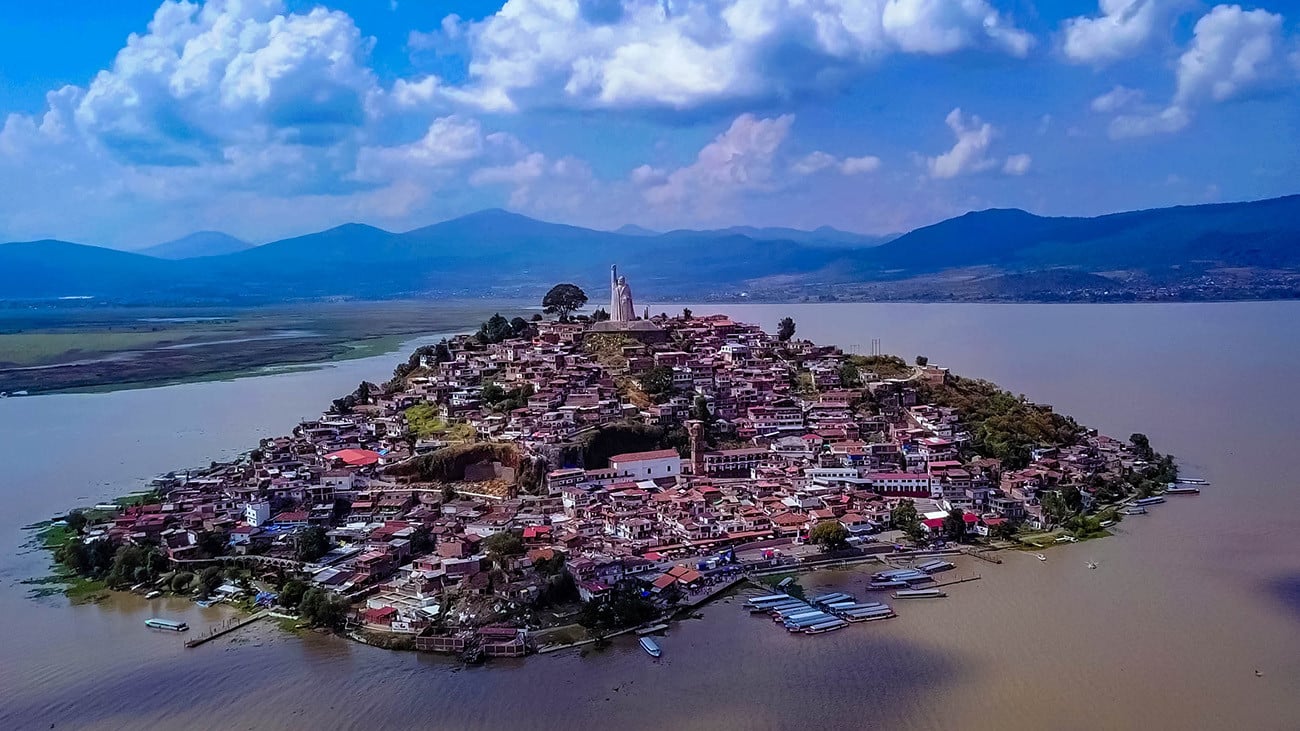
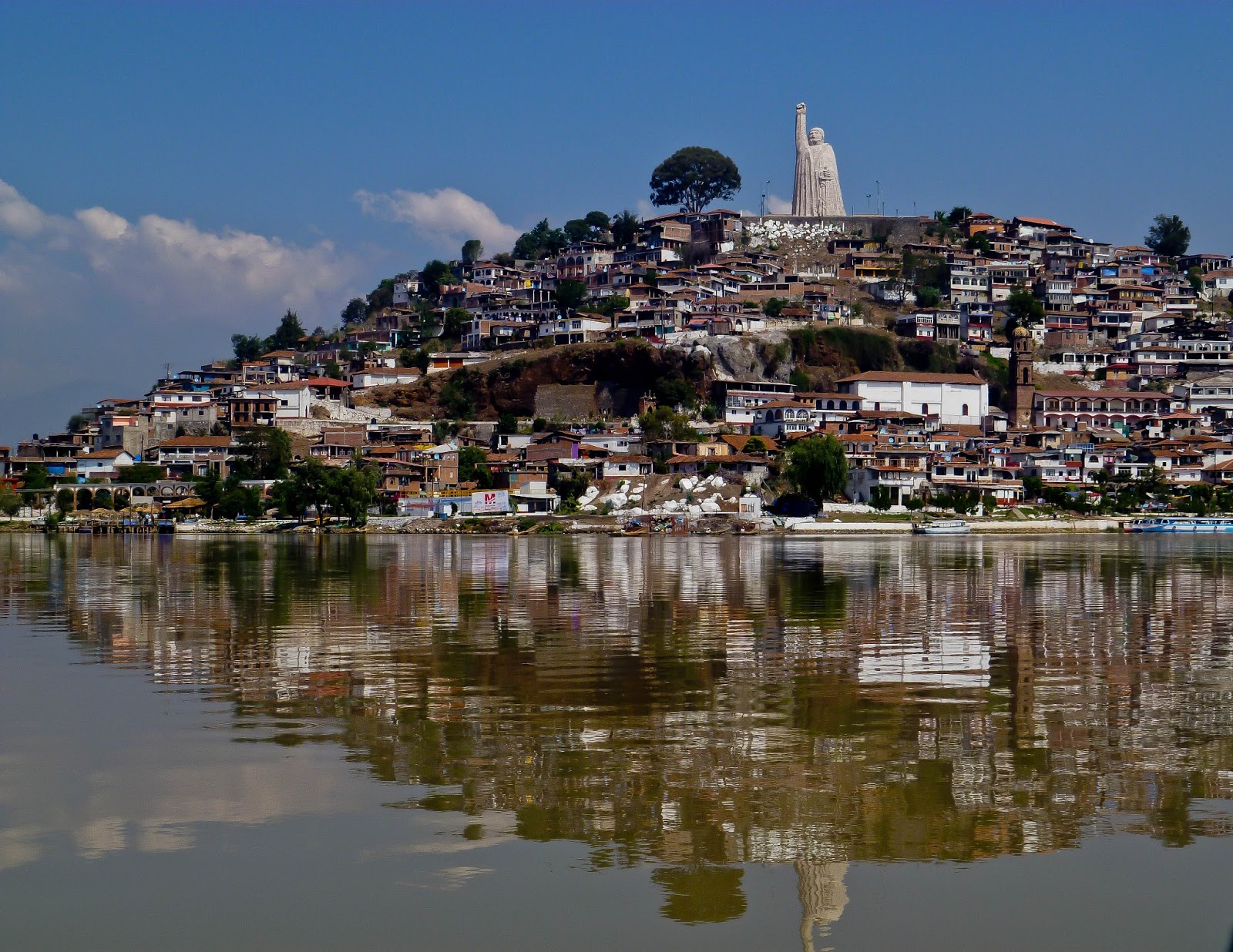
Tourist Attractions: The allure of Janitzio Island, the historical Tzintzuntzan, and the bustling Pátzcuaro Town make it a magnet for those seeking cultural exploration.
Top 8 Things Every Traveler Must Do
Embark on a journey around Lake Pátzcuaro with these eight must-do activities, each offering a unique glimpse into the cultural and natural wonders of this Mexican gem.
Visit Janitzio Island
Boat Ride Bliss: Take a tranquil boat ride across Lake Pátzcuaro to reach Janitzio Island, a haven of tranquility.
Artisanal Marvels: Immerse yourself in the island’s vibrant culture by witnessing skilled artisans crafting intricate handicrafts, a testament to the indigenous traditions.
Sunset Serenity: For a magical experience, plan your visit to Janitzio to coincide with sunset, casting hues of warmth over the lake.
Explore the Village of Tzintzuntzan
Archaeological Revelations: Uncover the secrets of Tzintzuntzan’s archaeological zone, where ancient ruins whisper tales of the Purepecha civilization.
Day of the Dead Delight: If your visit aligns with November, witness the captivating Day of the Dead celebrations, a unique blend of reverence and festivity.
Historic Ambiance: Stroll through the village’s cobblestone streets, surrounded by colonial architecture that transports you back in time.
Experience Day of the Dead Celebration
November Festivity: Plan your visit in November to witness the mesmerizing Day of the Dead celebrations, a unique blend of solemnity and festivity.
Cultural Reverence: Immerse yourself in the local traditions as families gather to honor their ancestors with vibrant altars adorned with marigolds and offerings.
Candlelit Atmosphere: Experience the ethereal ambiance as candlelit processions wind through the streets, creating a surreal and spiritual atmosphere.
Take a Boat Tour
Scenic Tranquility: Embark on a boat tour across Lake Pátzcuaro to absorb the serenity of its crystal-clear waters, surrounded by picturesque landscapes.
Janitzio Island Excursion: Opt for a boat ride to Janitzio Island, known for its cultural richness and stunning panoramic views of the lake.
Local Guides: Enhance your experience with a local guide who can provide insights into the history, folklore, and hidden gems along the shores.
Indulge in Local Cuisine
Tarascan Delicacies: Savor the authenticity of Tarascan cuisine with dishes like uchepos (corn tamales) and carnitas (slow-cooked pork), providing a culinary journey through local flavors.
Lakeside Dining: Enjoy a leisurely meal at one of the lakeside eateries, offering a perfect blend of delicious food and breathtaking views.
Street Food Adventures: Dive into the bustling streets of Pátzcuaro for a gastronomic adventure, exploring street vendors and local food stalls.
Visit the Artisan Marketplaces
Craftsmanship Galore: Immerse yourself in the rich artisanal culture by exploring local marketplaces, such as Plaza Grande, offering handmade crafts, textiles, and pottery.
Tocuaro Woodcarvings: Visit Tocuaro for its renowned woodcarvings, created by skilled artisans who transform pieces of wood into intricate, culturally significant masterpieces.
Shopping Tips: Bargain with the local vendors to get the best prices and don’t forget to buy unique souvenirs that reflect the essence of Lake Pátzcuaro.
Explore the Local Temples
Tzintzuntzan Archaeological Zone: Immerse yourself in the ancient history of Lake Pátzcuaro by exploring the Tzintzuntzan Archaeological Zone, where remnants of the Purepecha civilization tell tales of a bygone era.
Spiritual Journey: Visit local temples like the Basilica of Our Lady of Health, experiencing the spiritual resonance of these sacred sites and their significance to the local community.
Guided Tours: Enhance your experience with guided tours, providing insights into the architectural nuances and historical importance of each temple.
Enjoy the Natural Landscape
Isla Pacanda Tranquility: Escape into the serene beauty of Isla Pacanda, offering tranquil hiking trails and a haven for birdwatchers amid lush landscapes.
Sunset Views: End your day with the breathtaking sight of the sunset over Lake Pátzcuaro, creating a picturesque canvas of colors reflecting on the still waters.
Conservation Insights: Gain a deeper appreciation for nature by understanding the delicate balance between human impact and butterfly conservation efforts, especially during the winter butterfly phenomenon.
Tips for Traveling to Lake Pátzcuaro
Prepare for an unforgettable journey to Lake Pátzcuaro with these practical tips to enhance your travel experience.
Accommodation
Lakeside Villages: Opt for quaint accommodations in charming lakeside villages like Tocuaro for an authentic and immersive stay.
Booking in Advance: Secure your accommodation in advance, especially during peak seasons or festivals, to ensure availability and competitive rates.
Local Hospitality: Embrace the warmth of local hospitality by choosing lodgings that provide a blend of comfort and an intimate connection to the region.
Best Times to Visit
Mild Climates: Plan your visit during the dry season from November to April when the weather is mild, ensuring optimal conditions for exploration.
Avoid Crowds: Consider visiting during weekdays to avoid the weekend rush, providing a more tranquil experience at popular attractions.
Winter Butterfly Phenomenon: If captivated by nature, witness the winter butterfly phenomenon from late October to early March, a spectacle worth planning your trip around.
Local Customs
Respect Traditions: Respect local customs, especially during the Day of the Dead celebrations in November, by observing and participating in ceremonies with reverence.
Bargain at Markets: Engage in the vibrant market culture but remember to bargain respectfully when purchasing handicrafts and souvenirs.
Language: While many locals may understand basic English, learning a few Spanish phrases can enhance communication and show appreciation for the local culture.
conclusion
A traditional and natural textile, Lake Patzcuaro invites you to immerse yourself in its magic. From exploring local temples to indulging in Tarascan cuisine, each activity adds something to your trip. As you plan your visit, consider the practical tips provided here to make the most of your experience. Lake Patzcuaro awaits, promising enriching moments and lasting memories. Embrace the journey!
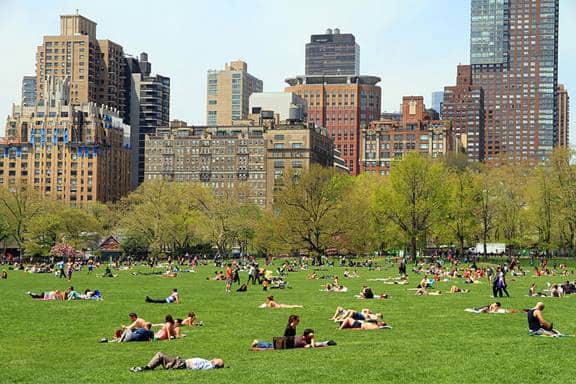
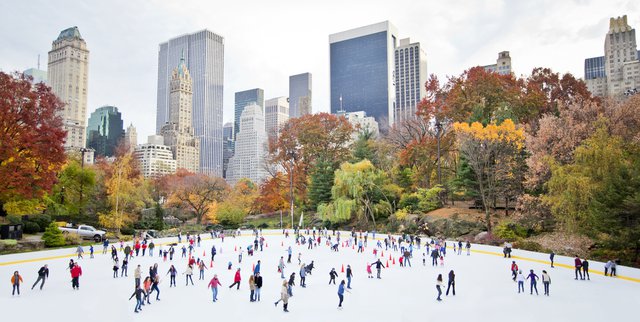
Nestled between the tall buildings and bustling streets of New York City, Central Park stands as a place of peace, offering relaxation to residents and visitors Its sprawling vegetation, breathtaking views, and recreational opportunities make it a place a must-visit for anyone exploring this vibrant city.
A Green Haven in a Concrete Jungle
The 843-acre Central Park is a masterpiece of urban design, designed to provide a natural escape from the concrete jungle of the city The park was conceived in the 19th century, and designed into a multi-faceted escape that blends seamlessly with the architectural wonders of nature .
Historical gems
Established in 1858, Central Park has seen historical ups and downs, serving as a backdrop for various cultural events, protests and holiday gatherings Its rich history is palpable if you walk winding paths surrounded by old trees and Kalati monuments.
An iconic context
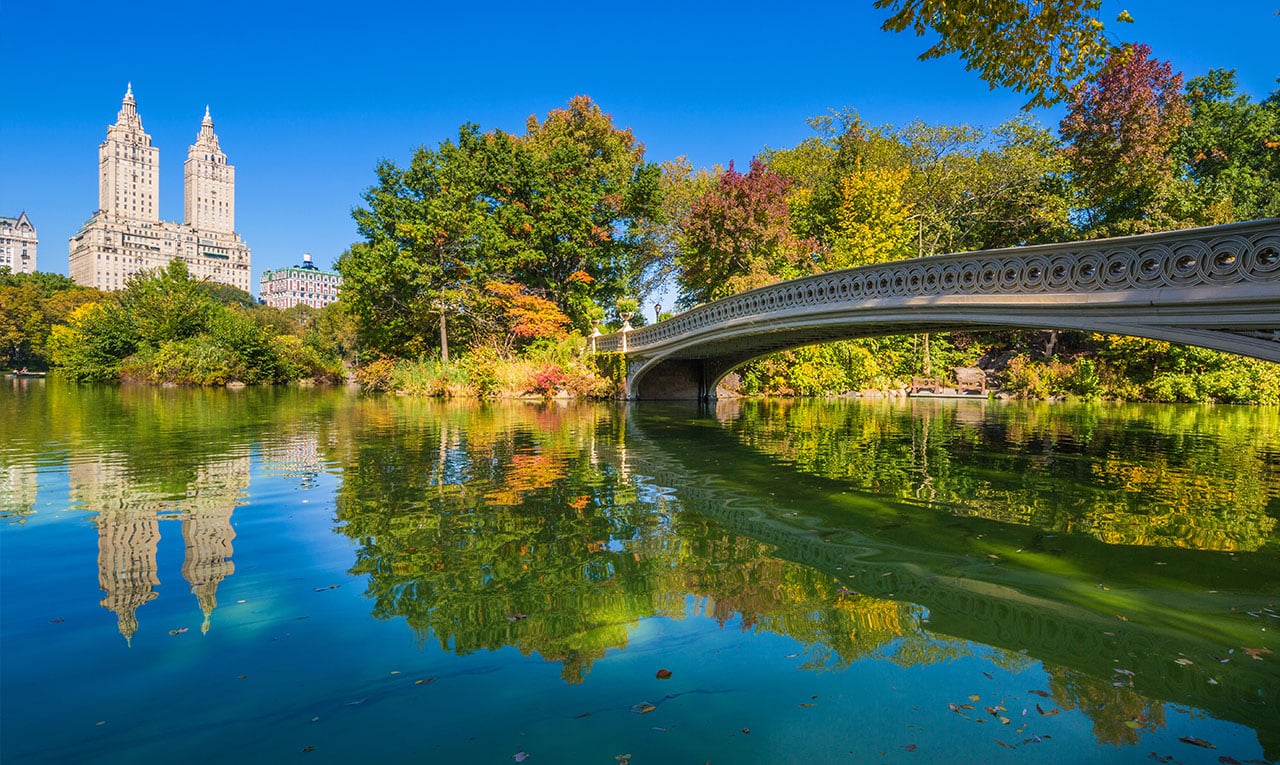
Central Park’s landscape is a tapestry of beauty, with meadows, lakes and forests. From the iconic Bethesda Terrace to the picturesque Bow Bridge, every corner offers a unique perspective, a feast for the eyes and a sanctuary for the soul
Entertainment for anyone who wants it
Whether you’re looking for a peaceful getaway, family picnic, or active relaxation, Central Park caters to a variety of interests. With designated play areas, kid-friendly playgrounds and quiet relaxing walks, this park offers experiences for everyone.
The Top 10 Unmissable Attractions
Belvedere Castle
Perched atop Vista Rock, Belvedere Castle is a captivating architectural gem within Central Park. Built in 1869, this structure provides a picturesque vantage point, offering panoramic views of the park and the city beyond. With its fairytale-like turrets and rich history, Belvedere Castle is a must-visit for both history enthusiasts and those seeking breathtaking scenery.
Visitor Information:
Location: Mid-park at 79th Street
Hours: Open daily from 10 AM to 5 PM
Fees: Admission is free
The Central Park Zoo
Nestled within the park’s southern expanse, the Central Park Zoo is a delightful escape into the world of wildlife. Home to over 130 species, including snow leopards and red pandas, the zoo provides an educational yet entertaining experience. Highlights include the Tisch Children’s Zoo and the Sea Lion Pool, making it an engaging destination for visitors of all ages.
Visitor Information:
Location: East Side between 63rd and 66th Streets
Hours: Open daily from 10 AM to 5 PM
Fees: Admission varies; check the official website for details.
The Mall and Literary Walk
A Stroll Through Literary History
The Mall in Central Park stands as a captivating tree-lined promenade, famously known as Literary Walk. This iconic pathway pays homage to literature, with statues of renowned literary figures adorning its sides. It’s not just a walk; it’s a journey through the pages of history and culture.
Literary Figures: As you amble along, you’ll encounter statues of literary giants like William Shakespeare and Christopher Columbus. Each sculpture invites contemplation and serves as a tribute to the written word.
Ambiance: The Mall’s grandeur is accentuated by its towering American elm trees, creating a canopy that transforms with the seasons. In spring, cherry blossoms bloom, and in autumn, the foliage paints a vibrant tapestry.
Cultural Hub: The Mall is not just a physical pathway; it’s a cultural hub where artists perform and events unfold. The atmosphere is often filled with music, adding an extra layer of charm to this literary haven.
The Fountain of Bethesda
Oasis of calm: Bethesda Fountain
Located in the heart of Central Park, Bethesda Fountain is a tranquil spot that makes visitors pause and marvel. This stunning body of water serves as a focal point, radiating tranquility amidst the park’s dynamic surroundings.
Architectural marvel: The fountain is a masterpiece, decorated with intricate carvings and giant statues of angels. It stands as a testament to the park’s commitment to blending art and nature.
Water Angel: In the center of the fountain is a statue of the Water Angel, a symbol of purity and health. Created by sculptor Emma Stebbins, it was one of the first public art pieces by a woman in the United States.
Reflective Pool: Bethesda Fountain overlooks Bethesda Terrace and its lower reflecting pool. This place is not just a beautiful place; It is a place where visitors can relax, reflect and enjoy the beauty of their surroundings.
The Reservoir
A Historic Oasis: The Central Park Reservoir
Situated at the northern end of Central Park, the Reservoir is not just a body of water; it’s a testament to the park’s meticulous design and historical significance.
Purpose: Originally built in the 1860s to supply fresh water to Manhattan, the Reservoir now stands as a picturesque landscape feature. Its tranquil waters span over 106 acres, offering a serene retreat from the city’s hustle.
Running Path: The 1.58-mile running track surrounding the Reservoir is a favorite among joggers and walkers. The scenic views of the skyline, especially during sunrise and sunset, make it a popular spot for both fitness enthusiasts and those seeking a leisurely stroll.
Historical Context: The Reservoir’s creation involved moving more earth than the construction of the Panama Canal, emphasizing the scale and engineering prowess of this water feature. Its history is embedded in the very fabric of Central Park.
Strawberry Fields
A Tribute to Peace: Strawberry Fields
Named after the Beatles’ song “Strawberry Fields Forever,” this area within Central Park is more than just a landscape; it’s a poignant tribute to John Lennon and a symbol of peace.
Significance: Located near Lennon’s former residence, Strawberry Fields serves as a living memorial to the legendary musician. It’s a place of reflection, celebrating Lennon’s life and his commitment to peace.
“Imagine” Mosaic: At the heart of Strawberry Fields lies the “Imagine” mosaic, a gift from the city of Naples, Italy. The mosaic bears the word “Imagine,” paying homage to Lennon’s iconic song, and has become a focal point for visitors to leave flowers and pay their respects.
Community Gathering: Strawberry Fields is not just a destination for Beatles fans; it’s a space where people from all walks of life come together. Musicians often play Lennon’s songs, creating a vibrant and harmonious atmosphere that resonates with the spirit of peace.
Rumble:
Explore a natural paradise: the Ramble in Central Park
Introduction: A hidden gem within Central Park, The Ramble offers a wilderness escape in the heart of the city. This unique space stands as a testament to the park’s commitment to preserving natural habitats while providing a tranquil retreat for visitors.
Wildlife Habitat: The Ramble is not just a beautiful landscape; It is a beautiful wildlife sanctuary. The bird watchers come to a place popular with a variety of birds that take refuge in its trees and winding paths.
Places of interest:
Bridge and Rural Walking Trails: As you explore you will encounter rustic bridges that cross stunning streams, adding to the natural charm of the area.
The Gill: A beautiful stream that winds its way through the Ramble, providing a soothing soundtrack for your stroll.
Tree-lined paths: Winding paths create a sense of solitude, allowing visitors to immerse themselves in the beauty of unspoilt nature.
Garden Conservancy
Flowers: Central Gardens Conservation Garden
History and Significance: The Conservatory on the northeast side of the park is a well-maintained oasis of rich history the residence is committed to formal gardens and artistic landscaping.
Features: The park is divided into three distinct trails, each with its own charm:
Italian Gardens: Characterized by harmonious patterns and antiques, this section exudes elegance.
French Garden: With geometric flower beds and a fountain in the center, this place adds a touch of romance to the overall design.
English Garden: The northernmost part of the garden has a sense of seasonal flowers and wild beauty, contrasting it with the original layout
Sightseeing:
Vanderbilt Door: The exterior entrance is accented by the Vanderbilt Door, a polished steel structure that accentuates the interior
Flower Displays: Seasonally, the garden displays a rotating display of flowers ranging from tulips in the spring to vibrant mums in the fall.
The Loeb Boathouse
Recreation and Relaxation: The Loeb Boathouse in Central Park
Recreational Activities: The Loeb Boathouse is a hub of activity within Central Park, offering diverse experiences for visitors of all interests.
Boating: Rent a rowboat or gondola for a leisurely paddle across the iconic Central Park Lake.
Dining: The Boathouse also features a lakeside restaurant, providing a picturesque setting for a delightful dining experience.
Visitor Information:
Location: East Side at 74th Street.
Hours: Open daily, with boating available from April to November and dining throughout the year.
Fees: Boating fees vary, and dining costs are menu-dependent.
Gapstow Bridge
A Timeless Icon: Gapstow Bridge in Central Park
History and Design: Gapstow Bridge, an iconic structure spanning the park’s pond, combines history with architectural charm.
Built in 1896, the bridge showcases a design inspired by the 18th-century European tradition.
The elegant stone arches and views of the city skyline make it a favorite among both visitors and locals.
Popularity among Artists: Photographers and artists alike are drawn to Gapstow Bridge, capturing its timeless beauty in various mediums.
Its picturesque setting amidst lush greenery and the surrounding cityscape provides a perfect subject for creative expression.
Expert Tips for Visiting Central Park
Best Times to Visit:
Early mornings offer tranquility and beautiful sunrise views.
Late afternoons provide softer light for photography.
Weekdays are generally less crowded than weekends.
Navigating Central Park:
Use park maps and apps for easy navigation.
Consider exploring by bike or taking a guided tour.
Wear comfortable shoes for exploring various terrains.
Conclusions:
Central Park is a tapestry of natural beauty, historic sites and recreational opportunities. Whether you’re looking for relaxation, a cultural experience, or an outdoor adventure, Central Park welcomes you to explore its offerings and create lasting memories in the heart of New York City